You are currently on the United Kingdom version.
Looks like you are in United States.
Switch to local content?












Heidelberg Engineering Expands Its Anterior Segment Imaging Portfolio
Heidelberg Engineering today announced the expansion of its anterior segment imaging portfolio with Heidelberg RCM.
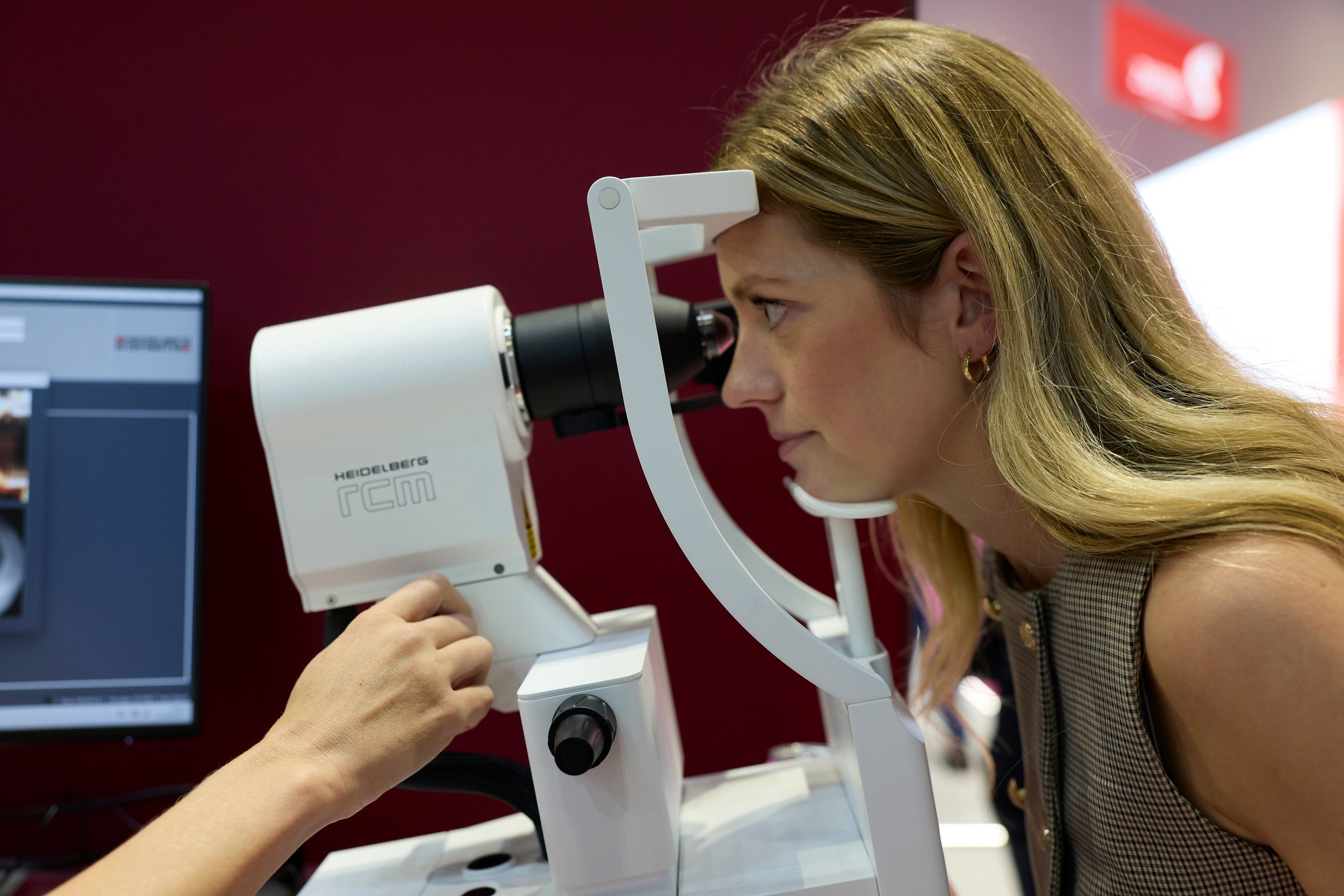
Heidelberg, Germany, August 19, 2026 – Heidelberg Engineering today announced the expansion of its anterior segment imaging portfolio with Heidelberg RCM, marking the company's return to the field of in vivo corneal confocal microscopy. The new device extends Heidelberg Engineering's ophthalmic imaging offering with high-resolution, cellular-level microscopic imaging of the cornea for clinical practice and research.
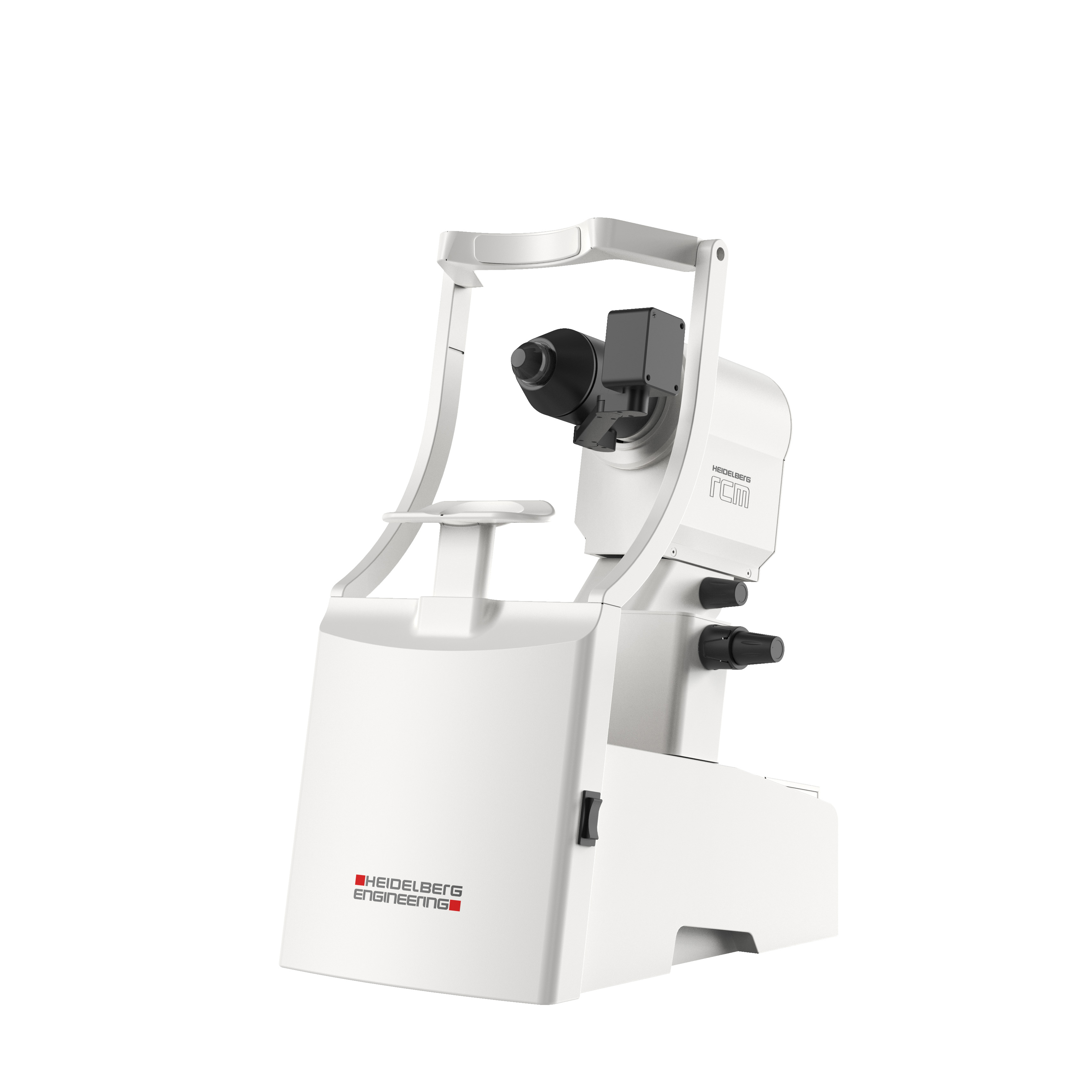
Heidelberg RCM has been developed through a strategic collaboration with Gaush Meditech, a long-standing partner of Heidelberg Engineering in China. The device is manufactured by Gaush Meditech to Heidelberg Engineering's quality standards and is based on the clinically proven Heidelberg Engineering cSLO design concept. Heidelberg Engineering will exclusively commercialize and distribute Heidelberg RCM worldwide outside China through its established international network.
The introduction of Heidelberg RCM responds to sustained interest and growing demand from clinicians and researchers for this specialized imaging technology following the discontinuation of HRT3 RCM in 2023. By adding Heidelberg RCM to its portfolio, Heidelberg Engineering re-establishes access to in vivo corneal confocal microscopy and continues its long-standing commitment to high-resolution ophthalmic imaging.
Heidelberg RCM enables non-invasive, high-resolution imaging of the cornea at the cellular level. The system supports detailed visualization of corneal structures from the epithelium through to the endothelium, helping clinicians and researchers examine and monitor corneal tissue in a wide range of clinical and scientific applications.
The device features a standard field of view of 400 × 400 µm, with an optional 600 × 600 µm field of view for imaging larger areas in a single scan. Flexible acquisition modes allow users to capture still images and image sequences, while a live eye-monitoring camera assists with positioning of the corneal contact cap on the eye. Integrated software supports image review and analysis.
The addition of Heidelberg RCM complements Heidelberg Engineering's established ophthalmic imaging portfolio and strengthens its anterior segment offering with dedicated cellular-level corneal imaging. The launch also builds on more than two decades of clinical and scientific experience established through the company's previous confocal microscopy platform, HRT3 RCM, which contributed to a substantial body of published research.
“We are pleased to expand our collaboration with Gaush Meditech and bring Heidelberg RCM to clinicians and researchers worldwide through Heidelberg Engineering’s global network,” said Kfir Azoulay and Arianna Schoess Vargas, Managing Directors at Heidelberg Engineering GmbH.
“Our long-standing partnership with Heidelberg Engineering has been built on the distribution of its products in China. We are pleased to enter a new phase of this collaboration, with Heidelberg Engineering bringing Heidelberg RCM to international markets, underpinned by our shared commitment to high product quality,” said Mr Xinwei Liu, CEO at Gaush Meditech.
“Over the past two decades, in vivo corneal confocal microscopy (IVCM) has become an indispensable tool to image the cornea in clinical practice and scientific research. The new Heidelberg RCM builds on Heidelberg Engineering’s long-standing legacy in this field and provides the ophthalmology and neurology community with a much-needed platform to continue and expand the utility of IVCM as a diagnostic and prognostic tool, and as an end-point in clinical trials for new therapeutics in ophthalmic and neurodegenerative diseases” - said Professor Rayaz A. Malik, Professor of Medicine at Weill Cornell Medicine in Doha, Qatar.
Heidelberg RCM will be presented publicly for the first time at the ESCRS Congress 2026 in London, where attendees will have the opportunity to see the system and learn more about its capabilities.
Heidelberg RCM is not yet commercially available. Market availability will be announced separately and will vary according to local regulatory clearance or registration requirements.